Professional North Texas Land Clearing
Brush Clearing Services in Fort Worth, TX
Take back your overgrown land with practical brush clearing solutions. Get a Free Estimate
Overgrown brush can make even a valuable piece of land difficult to use. Thick cedar, mesquite, tangled vines, thorny shrubs, and small volunteer trees can quickly block access, hide fencing, and make routine maintenance frustrating. Brush Clearing Fort Worth helps residential and rural property owners take control of that unwanted vegetation with practical brush clearing and mulching services.
We serve Fort Worth and surrounding North Texas communities with brush clearing, brush mulching, fence line clearing, and forestry mulching. Whether you want to open up a wooded lot, clear a property boundary, improve access across acreage, or reduce heavy undergrowth, we start by understanding your property and the result you want.
Brush Clearing Fort Worth is built around a straightforward approach to land management. Our founder, Daniel Mercer, developed his interest in the trade while helping family members maintain rural property west of Fort Worth. He learned early that unmanaged cedar, mesquite, and thorny undergrowth could turn useful acreage into land that was difficult to walk, inspect, or maintain.
That hands-on perspective guides how we approach each project. We believe good brush clearing begins with understanding what the property owner wants to keep, what needs to be removed, and what the land will be used for afterward. Our focus is on practical recommendations, respect for existing features, and clear expectations from the first conversation through the final review.
More about us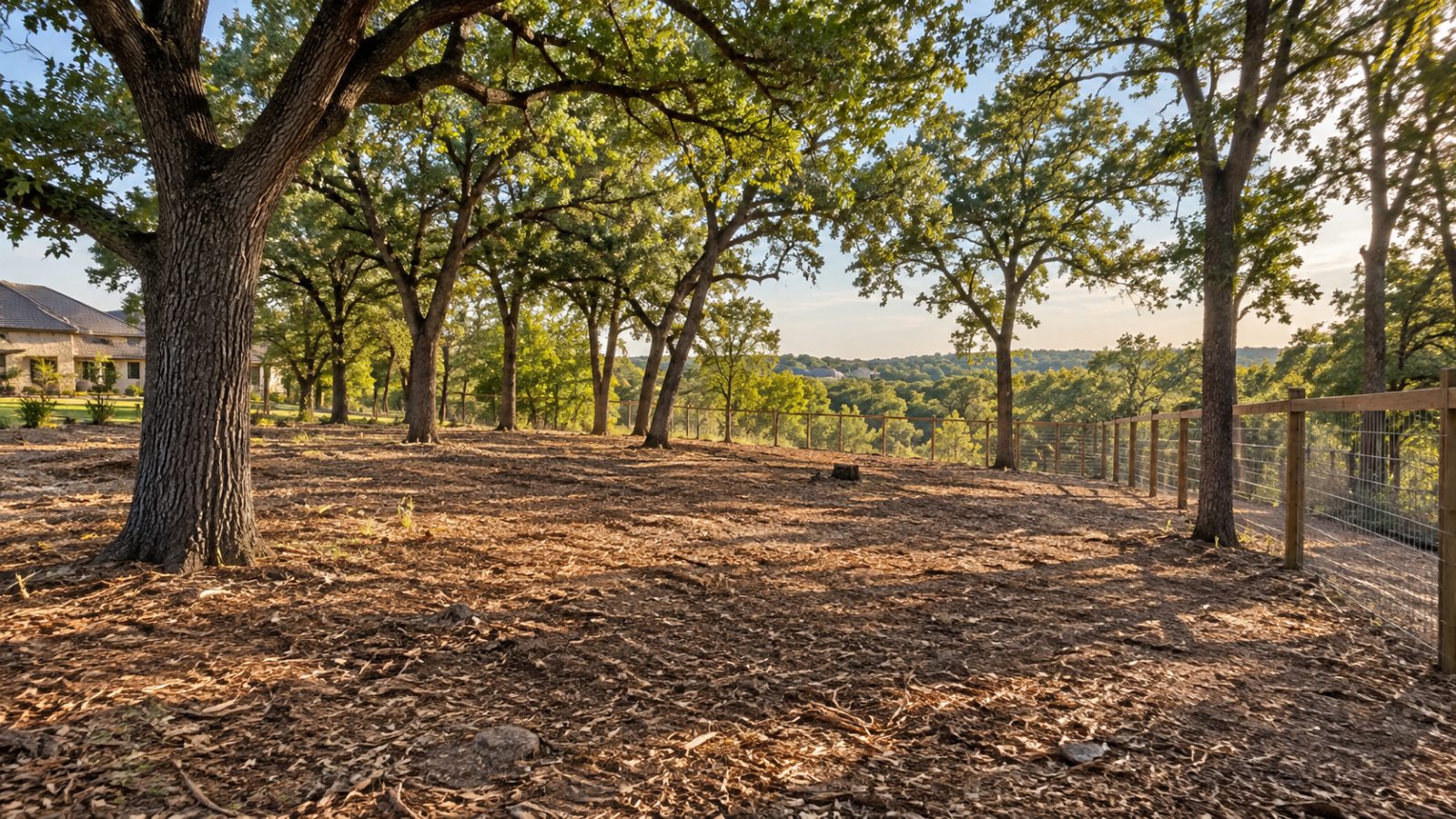
Every overgrown property has its own combination of vegetation, terrain, and access challenges. Some projects require broad brush removal across open acreage.
Others call for careful work around mature trees, fences, structures, or established property boundaries. We offer four focused services that address these different needs.
Our primary service helps property owners reduce unwanted brush, tangled undergrowth, shrubs, and suitable small woody vegetation. Brush clearing can improve access, restore visibility, and make previously overgrown areas easier to maintain.
Common projects include residential lot clearing, rural acreage management, overgrown property cleanup, and opening paths through dense vegetation. We evaluate the site and discuss what can realistically be accomplished before recommending an approach.
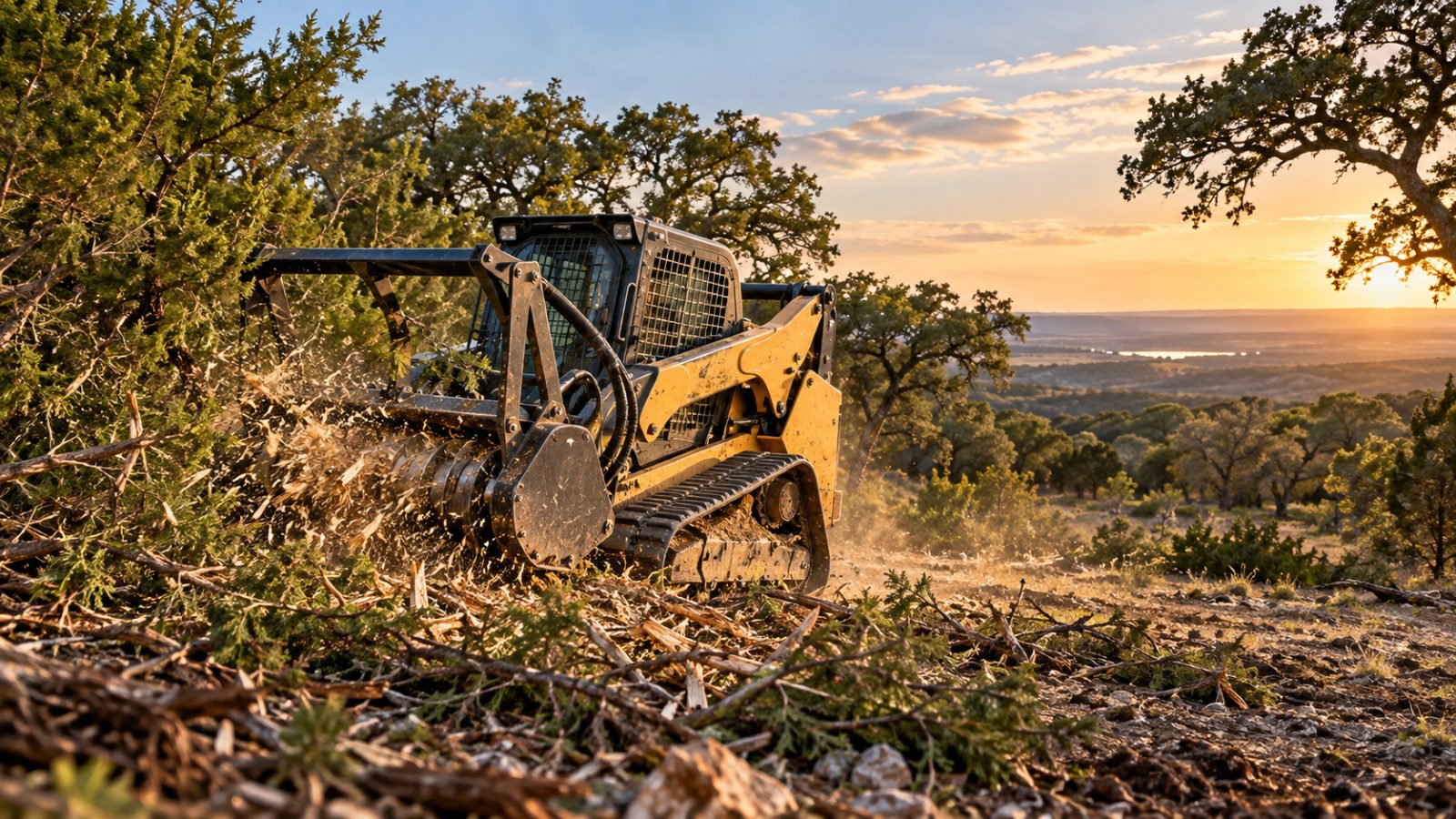
Brush mulching uses suitable equipment to process unwanted vegetation into smaller organic material. Depending on the property and the type of growth, mulch can remain on the ground instead of requiring every branch and stem to be hauled away.
This service can help manage thick undergrowth, smaller woody plants, and vegetation around desirable trees. Brush mulching does not automatically remove large stumps, roots, or buried obstacles, so we explain the expected finished condition before beginning.
Overgrown fence lines can make a property difficult to inspect and maintain. Vines, shrubs, volunteer trees, and fallen branches may conceal damaged posts, old wire, gates, and boundary features.
Fence line clearing focuses on opening a workable area along existing fencing or designated property boundaries. We consider the condition of the fence, available equipment access, and any hidden obstacles that could affect the work.
Forestry mulching is a mechanical vegetation management method suited to certain wooded lots, rural acreage, and areas of dense woody undergrowth. Appropriate machinery processes vegetation into mulch while working within a defined clearing area. This method can be useful for selective clearing beneath mature trees, opening access corridors, and reducing heavy vegetation without automatically removing every tree or root system.
The best method depends on the property. Tell us what you need cleared, and we can discuss the appropriate service.
North Texas vegetation can become difficult to manage after periods of rain and warm growing conditions. Cedar, mesquite, vines, volunteer trees, and thorny shrubs may spread into land that was once relatively open. On properties without regular maintenance, thick growth can gradually limit access and interfere with everyday use.
Heavy brush can hide uneven ground, fallen limbs, rocks, discarded wire, and other obstacles. It may block access to fences, gates, drainage areas, and corners of rural acreage. Dense vegetation also makes it harder to inspect the property and plan future improvements.
Dry brush and accumulated woody material can contribute to combustible vegetation loads. Reducing these materials may support a broader vegetation management plan, although clearing alone does not eliminate wildfire risk. For many property owners, brush clearing is about usability.
It can make land easier to walk, inspect, maintain, and plan around. The goal is to address the vegetation that causes problems while considering the natural features worth keeping.
Residential properties often require a selective approach. An overgrown backyard, wooded lot, or narrow strip beside a fence may be surrounded by landscaping, structures, irrigation, and neighboring property. These features influence the equipment and methods that can be used.
We discuss the areas you want opened and any mature trees, shade, screening, or natural features you want to preserve. Some owners want to regain usable space, while others simply need the lower vegetation reduced so they can access and maintain wooded sections. The finished condition is important.
Clearing surface brush is different from removing every stump, grading soil, or preparing a finished lawn. We explain those differences so your expectations match the agreed work.
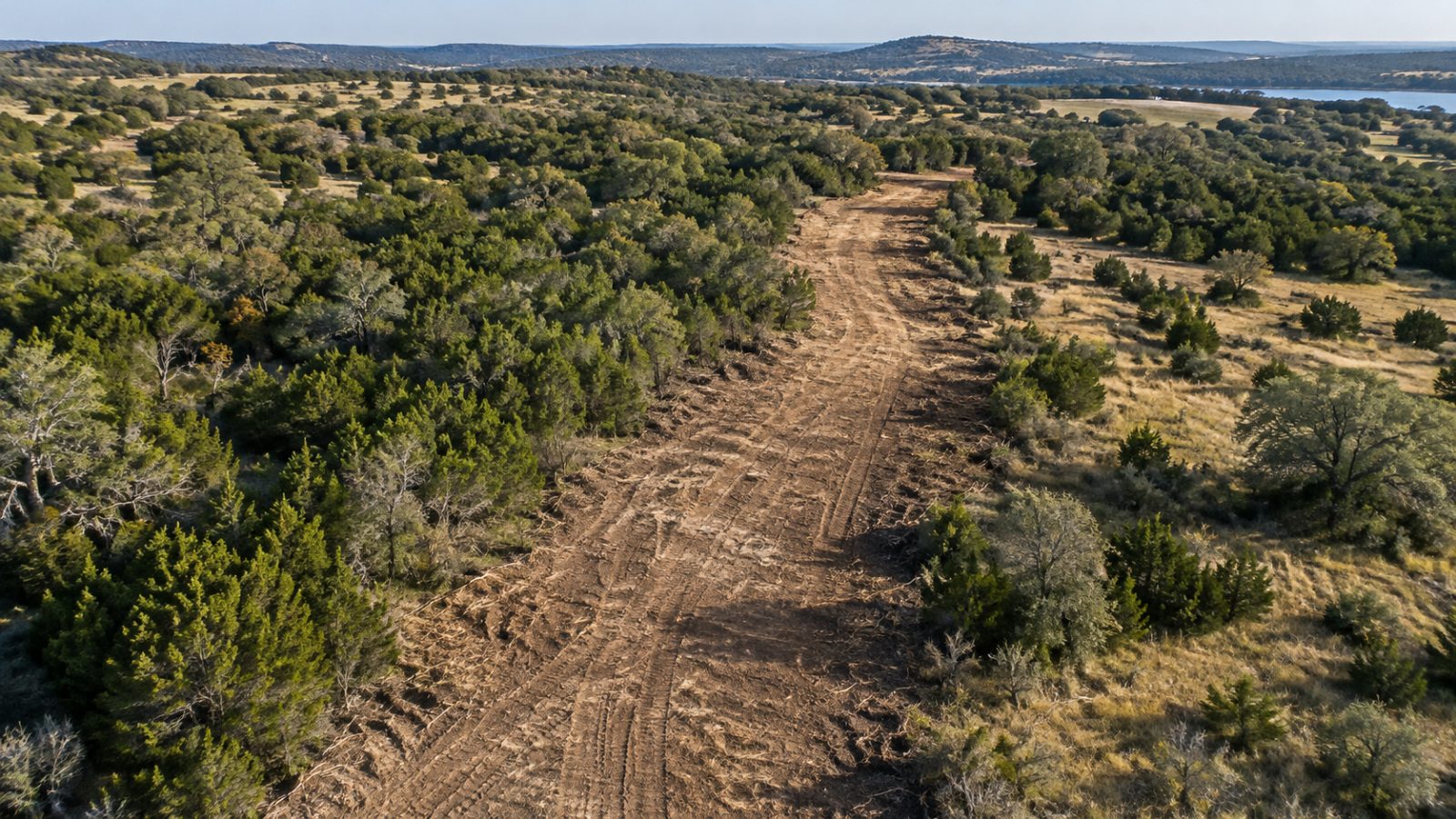
Rural properties around Fort Worth may contain a mixture of pasture, scattered trees, thick cedar stands, mesquite, brush-covered drainage areas, and long fence lines. One section may remain open while another becomes difficult to access after years of growth. Clearing larger properties works best when priorities are established.
The first concern might be reaching a fence boundary, reopening an access route, or reducing brush around a particular area. Other sections may not require immediate attention. We consider the distribution of vegetation, slopes, rocks, equipment entry points, and the amount of material to be processed.
A project plan should reflect the landowner's goals rather than assuming every acre needs the same level of clearing.
Not every plant on an overgrown property is unwanted. Mature oaks, established shade trees, natural screening, and selected areas of native vegetation may be important to the appearance and function of the land. Selective brush clearing and forestry mulching may help reduce unwanted lower growth while retaining designated trees where conditions allow.
Before work begins, it is important to identify which features should remain and how close equipment can safely operate. Root systems, low branches, rocks, and hidden materials can affect the method selected. We want customers to understand that careful clearing is about deciding what should stay as much as deciding what should go.
We begin by discussing the location, approximate size, vegetation, and intended result. Photos and a description of the access route can be helpful during the initial conversation.
The property may need to be evaluated for slopes, rocks, hidden debris, fences, utilities, drainage features, and equipment access. Owners should identify known underground installations and confirm property boundaries before work begins.
We consider whether standard brush clearing, brush mulching, fence line clearing, or forestry mulching best fits the work area. Some properties may benefit from more than one method.
The clearing plan should define which areas will be addressed, what vegetation will remain, and how processed material will be handled. The expected finished condition should be clear before equipment enters the work area.
Brush can return through roots, seeds, and new growth. Depending on the property, ongoing mowing, periodic clearing, or additional vegetation management may be needed.
Brush clearing prices are not determined by acreage alone. A property covered in light shrubs may be less demanding than a smaller area with thick woody growth, rocky terrain, and limited access. Major cost factors include vegetation density, tree and stem size, terrain, property access, equipment needs, and whether material can remain as mulch or requires additional handling.
The best way to understand your project is to describe the land and request a site-specific estimate. We want you to know what work is included and what the finished property should look like before making a decision.
Clear unwanted brush, dense undergrowth, and small woody vegetation from residential lots and rural acreage.
Learn more →Reduce suitable woody brush and undergrowth while leaving processed organic material on the property.
Learn more →Remove unwanted brush along fences and property boundaries to restore visibility and maintenance access.
Learn more →Manage dense woody vegetation on wooded lots and acreage with specialized mechanical mulching equipment.
Learn more →Brush Clearing Fort Worth focuses on properties throughout the Fort Worth area and nearby North Texas communities. Our service area includes Weatherford, Aledo, Willow Park, Haslet, Burleson, and Mansfield. These communities contain a wide range of residential lots, wooded properties, and rural acreage that can benefit from vegetation management.
West of Fort Worth, properties around Weatherford, Aledo, and Willow Park may involve cedar, mesquite, wooded acreage, and long fence lines. North toward Haslet and south toward Burleson and Mansfield, brush clearing needs can range from residential property cleanup to larger land maintenance projects. We review each location individually to determine appropriate equipment access and project suitability.
See all service areas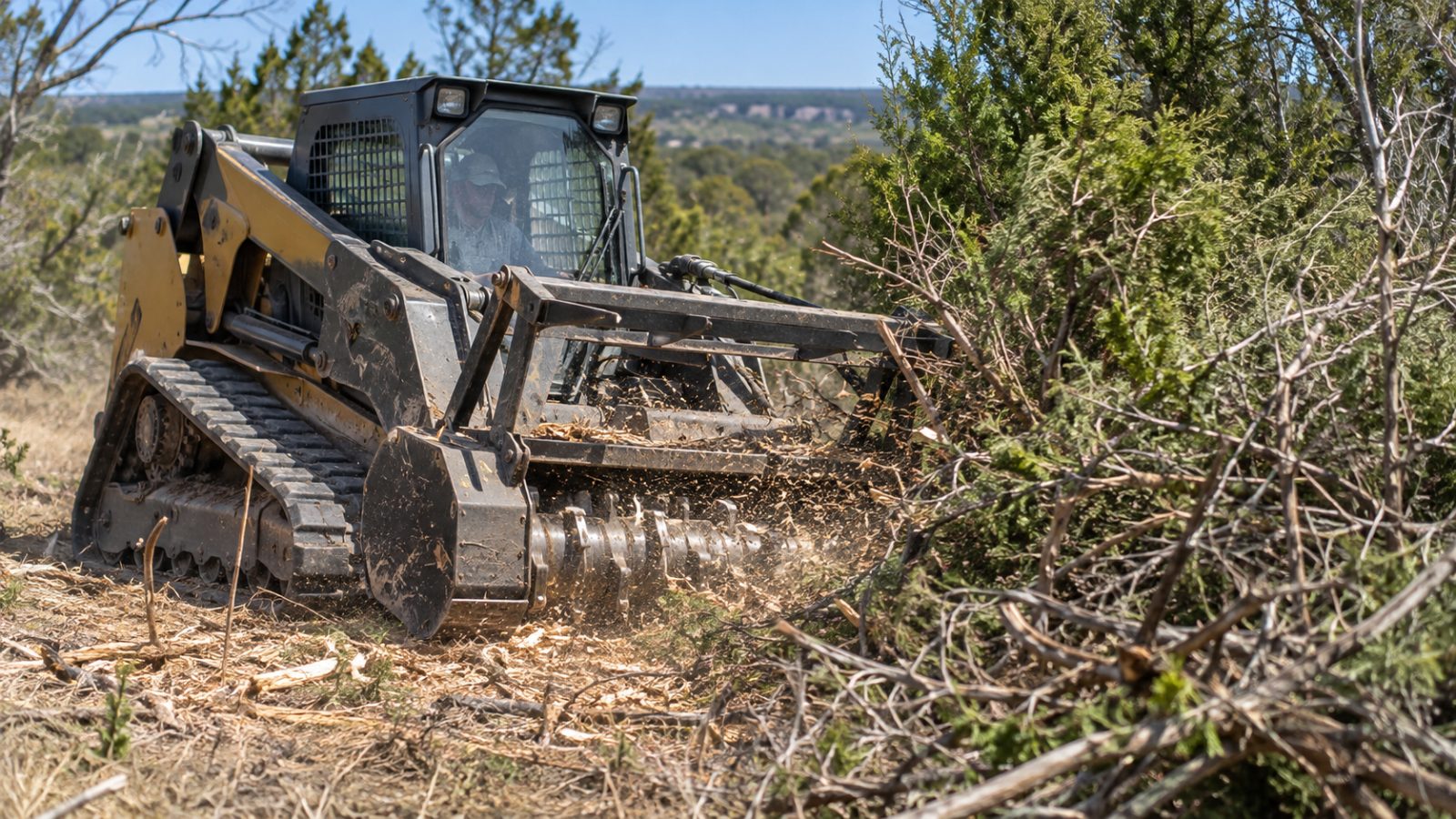
Our approach reflects common local challenges such as cedar, mesquite, woody undergrowth, rocky terrain, and changing growing conditions.
We concentrate on brush clearing, brush mulching, fence line clearing, and forestry mulching rather than offering unrelated work.
We consider vegetation, access, terrain, and the intended use of the property before discussing a clearing method.
We discuss mature trees, fences, boundaries, utilities, and natural areas that should remain undisturbed.
We aim to explain what will be cleared, what may remain, and what additional services might be needed.
We encourage landowners to consider future vegetation regrowth and how the cleared area will be maintained.
Brush clearing costs depend on acreage, vegetation density, terrain, access, and the required equipment. Dense cedar and mesquite can require more work than light undergrowth. We recommend requesting a property-specific estimate.
Brush clearing is a broad term for reducing or removing unwanted vegetation. Forestry mulching uses equipment to process suitable woody growth into mulch, often leaving the material on-site. The appropriate method depends on the property and desired finish.
Selective clearing may be possible around mature trees and other vegetation you want to preserve. Equipment access, exposed roots, branches, and the density of nearby growth all affect the approach. We discuss these conditions before defining the work area.
Many types of North Texas vegetation can grow back from roots, seeds, or remaining plant material. Clearing improves the current condition of the property but does not permanently eliminate future growth. Ongoing maintenance may be needed.
Ready to reclaim your North Texas property? Tell us about your brush clearing project and request a custom estimate.
Free — no obligations